
Official Website of Anjaw Tourism, Govt. of Arunachal Pradesh
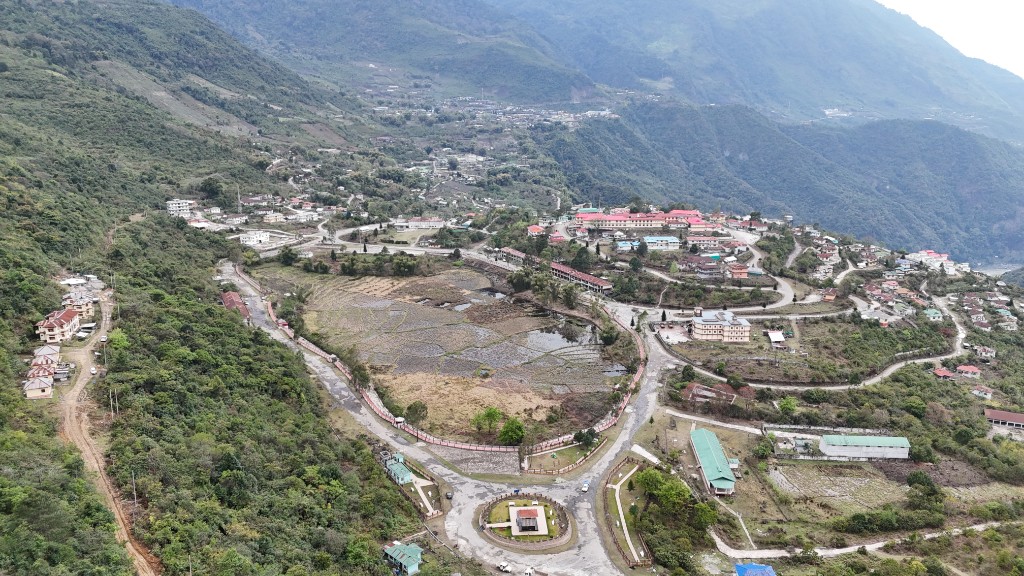
Panoramic mountain landscape in Anjaw district
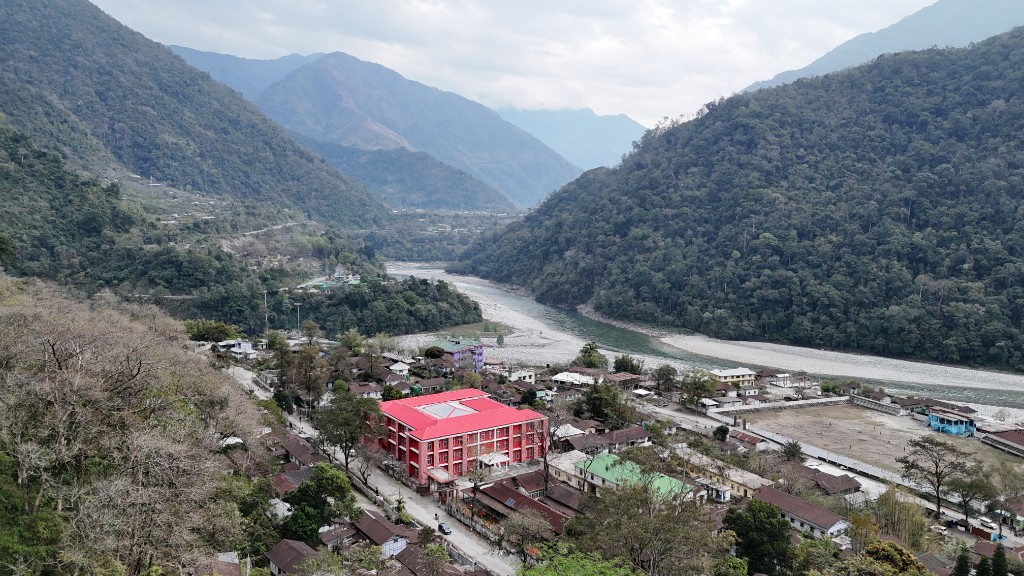
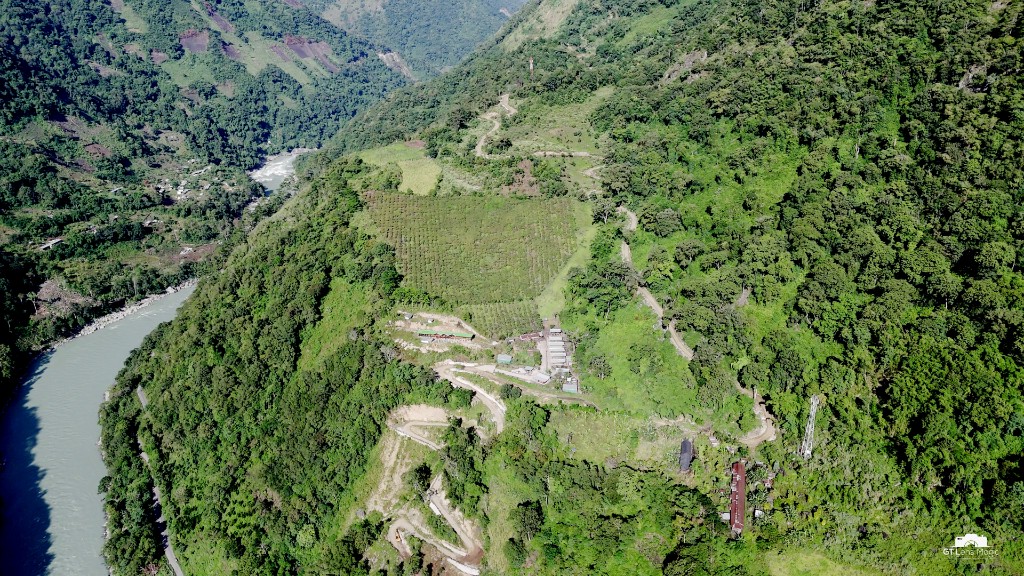
River valley and forested hills in Anjaw
High-altitude scenery along the frontier in Anjaw
Traditional settlement and hills in Anjaw district
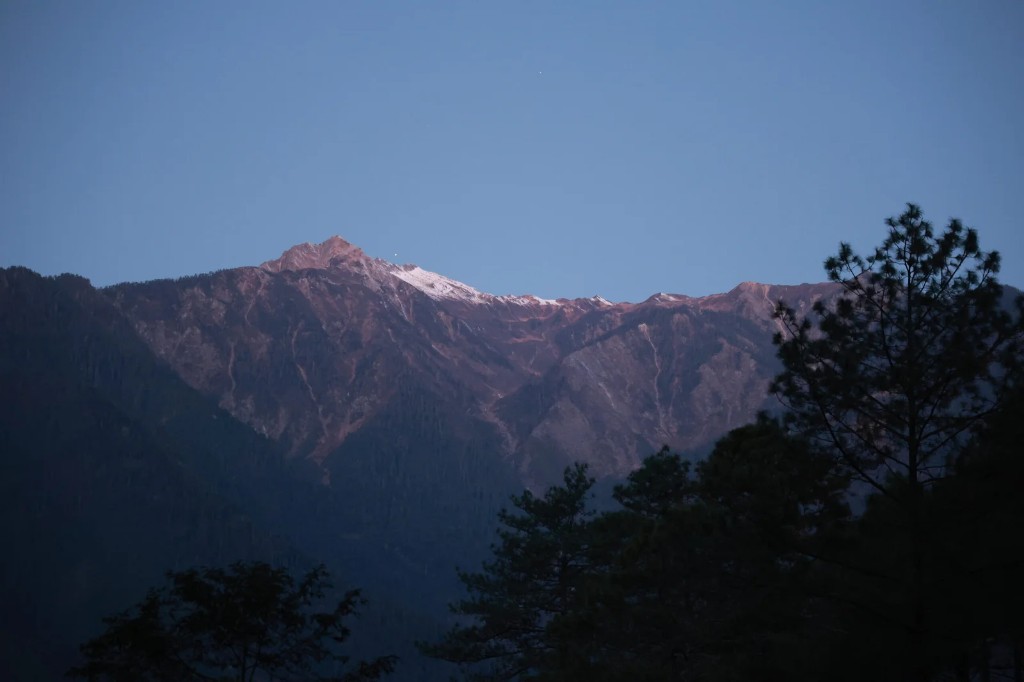
Sunrise over eastern Himalayan ridges in Anjaw
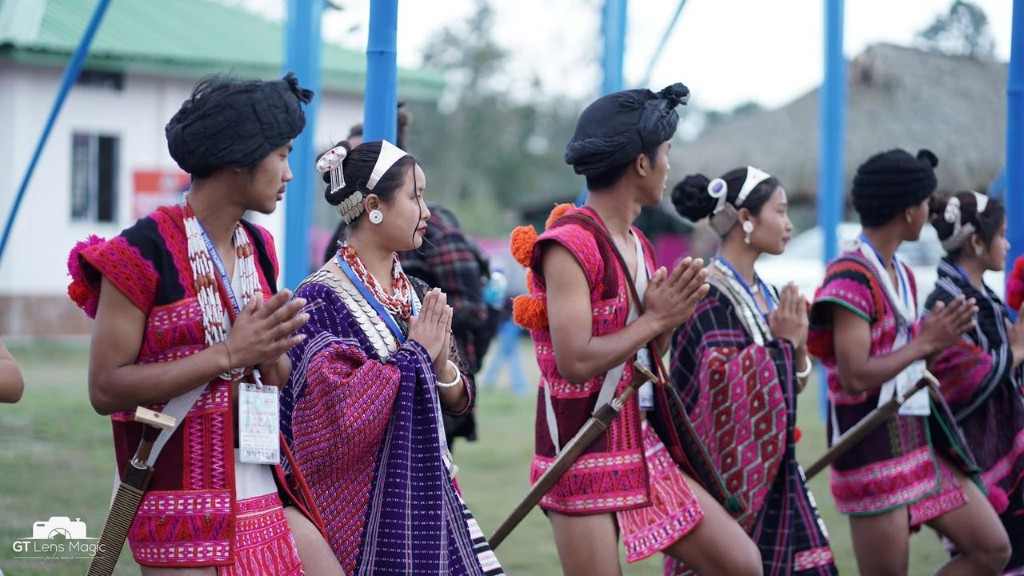
Traditional festival dance performance in Anjaw district
Landscape of Anjaw district in the Mishmi Hills
About

Anjaw: India’s first light

Perched at the easternmost tip of India, Anjaw is where the sun first breaks across the subcontinent. This rugged frontier, carved by the emerald waters of the Lohit River, offers a rare glimpse into a world that feels as ancient as the Himalayas themselves.

Highlights of the Edge

  • Dong Valley: A high-altitude sanctuary where you can witness the nation’s very first sunrise atop wind-swept ridges.
  • Kibithu & Walong: Historic border hamlets where dense pine forests meet snow-dusted peaks and the Lohit River thunders through deep gorges.
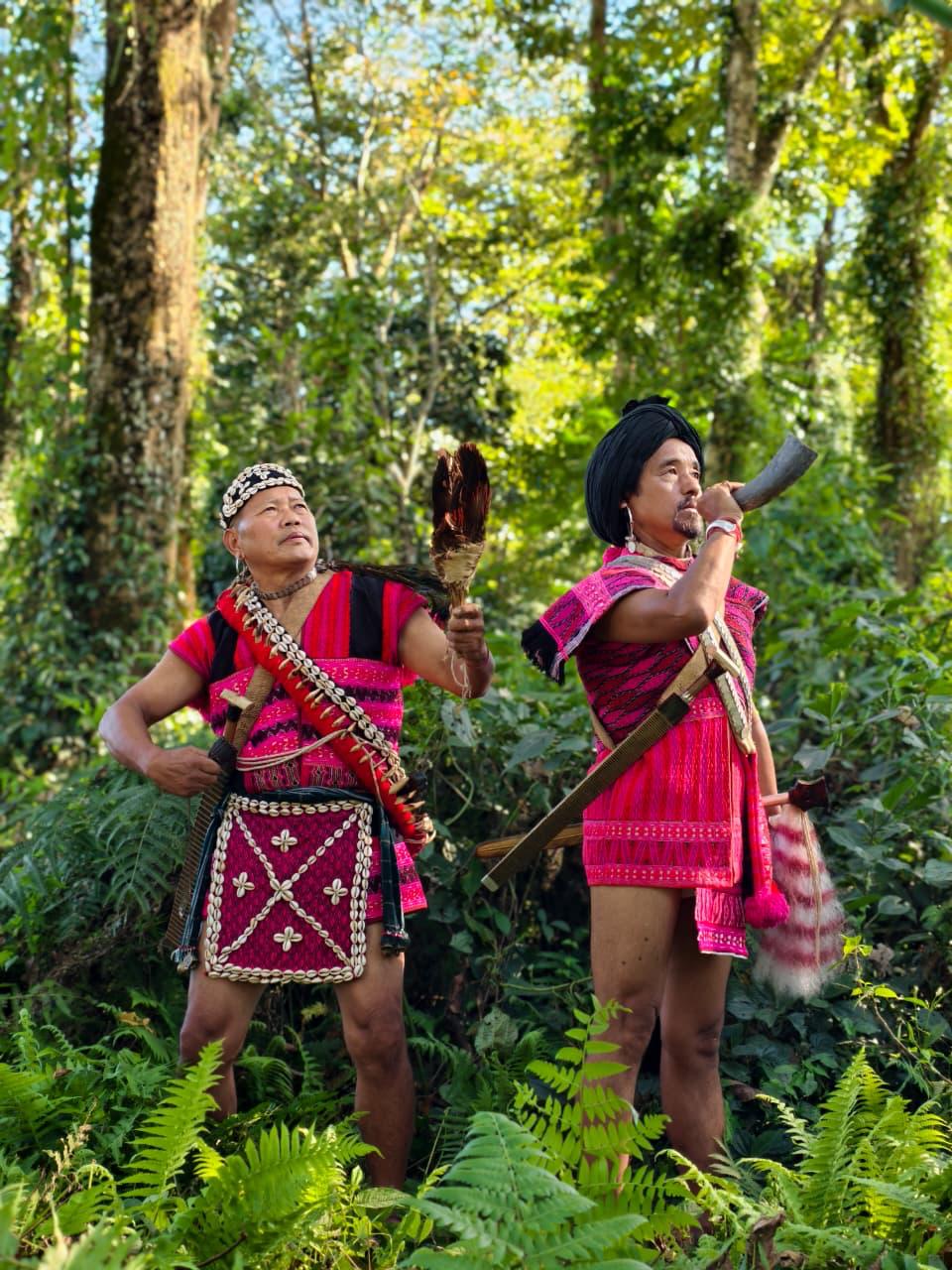
  • Mishmi & Meyor Culture: Home to ancient tribes known for their intricate weaving, traditional stilt houses, and a lifestyle deeply connected to the mountain spirits.
  • Natural Landscapes: A terrain defined by hanging bridges, cascading waterfalls, and vibrant orange orchards tucked away in emerald valleys.
Why Visit Anjaw

The Land of the First Sunrise:

Anjaw offers the extraordinary and symbolic experience of witnessing India’s very first rays of light in the Dong Valley. A pre-dawn trek through the silent, misty mountains to this easternmost point allows you to stand atop the ridges and see the sun break over the Himalayan horizon before the rest of the nation wakes up. It is a celestial spectacle that paints the snow-capped peaks in shades of gold and crimson, creating a truly once-in-a-lifetime moment for photographers and soul-seekers alike.

Untouched Alpine Wilderness:

Experience nature in its most raw and powerful form, where the air is pure and the landscapes remain largely unexplored. From the thundering turquoise waters of the Lohit River carving through deep gorges to the medicinal, sulfurous hot springs of Walong, the district is a breathtaking sanctuary. Visitors can find peace among jagged snow peaks, walk through dense pine and rhododendron forests, and wander through vibrant orange orchards, making it an ideal retreat for those looking to disconnect from the modern world.

Frontier History and Indigenous Culture:

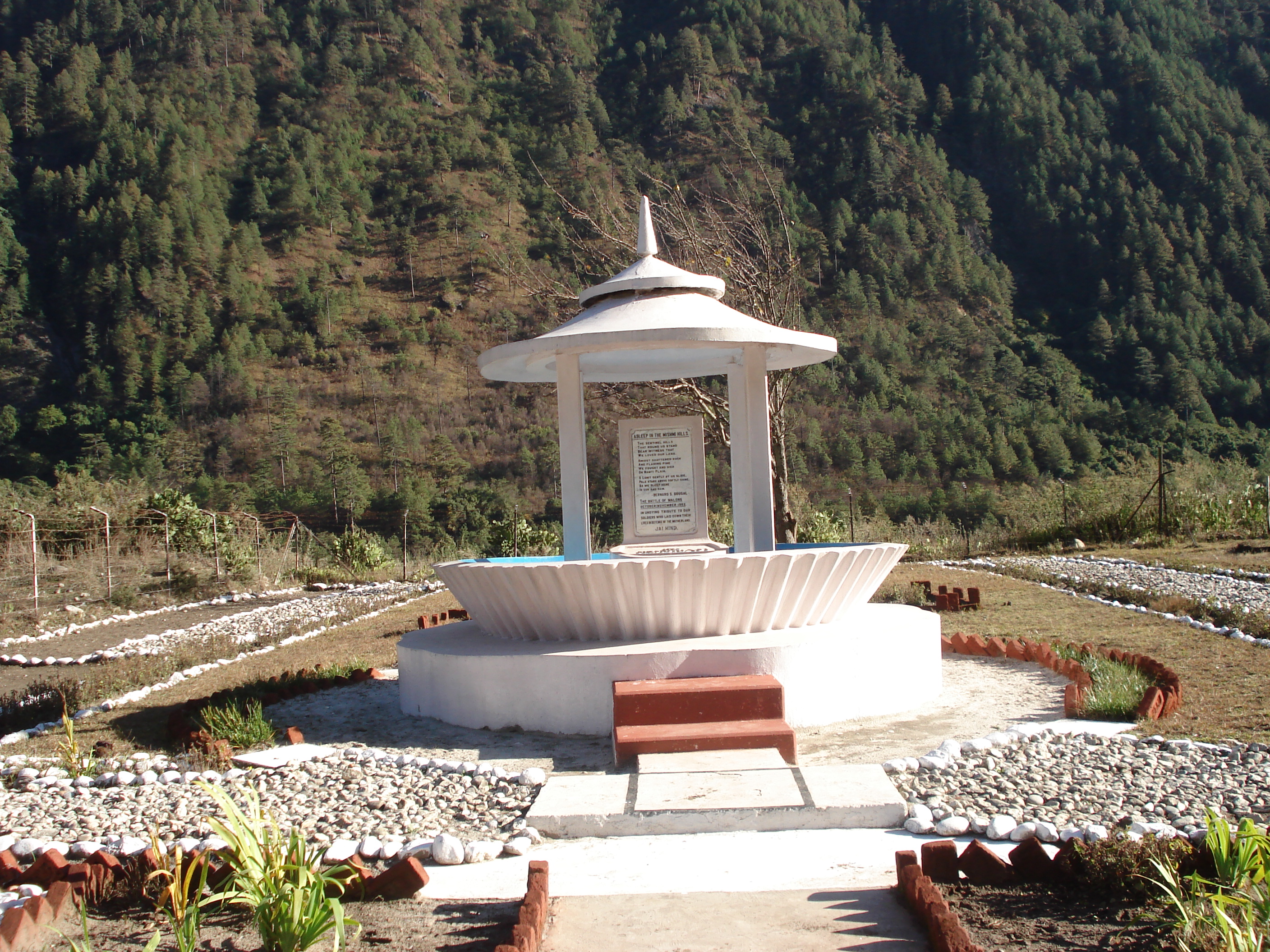
Discover a unique blend of historical bravery and ancient tradition by exploring the high-altitude battlefields and 1962 war memorials in Walong, which tell stories of incredible valor. Beyond its history, Anjaw allows you to immerse yourself in the authentic daily lives of the Mishmi and Meyor tribes. You can experience their warm hospitality first-hand, learn about their animist customs and deep connection to nature, admire the craftsmanship of their traditional stilt houses, and witness the intricate, colorful artistry of local handloom weaving.

How to get to Anjaw

By road

Route 1 (Via Bhupen Hazarika Setu):

Tinsukia — Bhupen Hazarika Setu — Sunpura Gate — Tezu — Hayuliang — Hawai — Walong — Kibithoo

Route 2 (Via Namsai):

Tinsukia — Dirak Gate — Namsai — Tezu — Hayuliang — Hawai — Walong — Kibithoo

Route 3 (Via Parashuram Kund):

Tinsukia — Dirak Gate — Namsai — Parashuram Kund — Hayuliang — Hawai — Walong — Kibithoo

Anjaw culture highlight

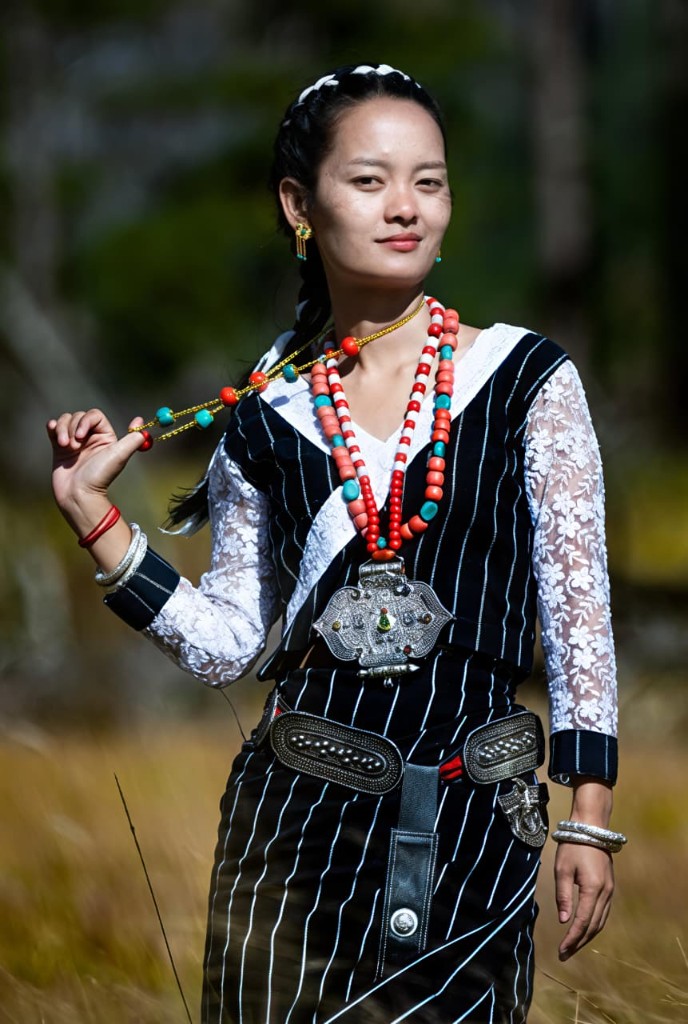
  • A community member in traditional attire with vibrant beads.

    Meyor Traditional attire

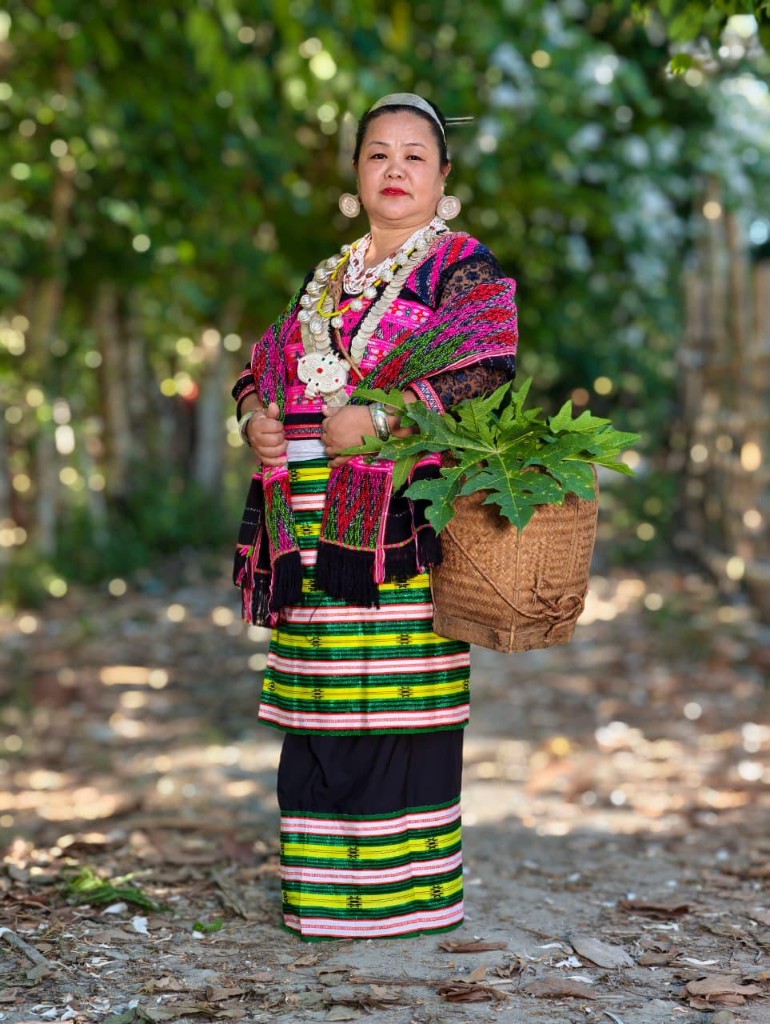
  • A Mishmi woman in traditional woven attire and silver jewellery, carrying a woven basket of greens.

    Mishmi Traditional attire

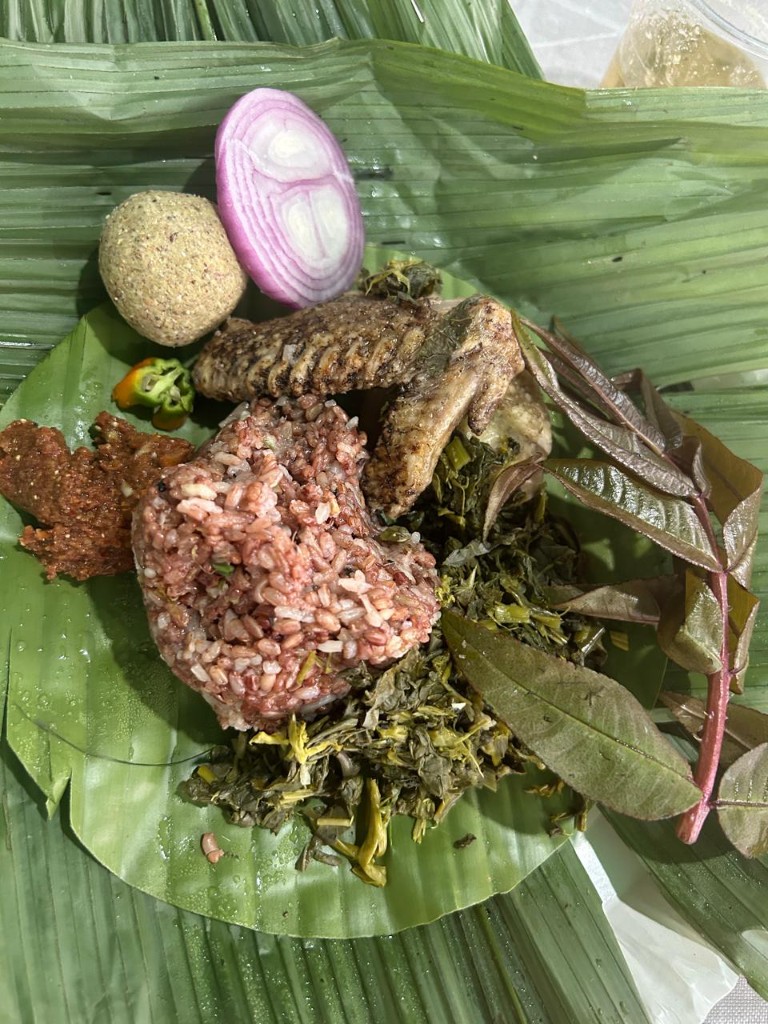
  • A traditional meal with local rice, greens, and sides served on a large green leaf.

    Ethnic cuisine

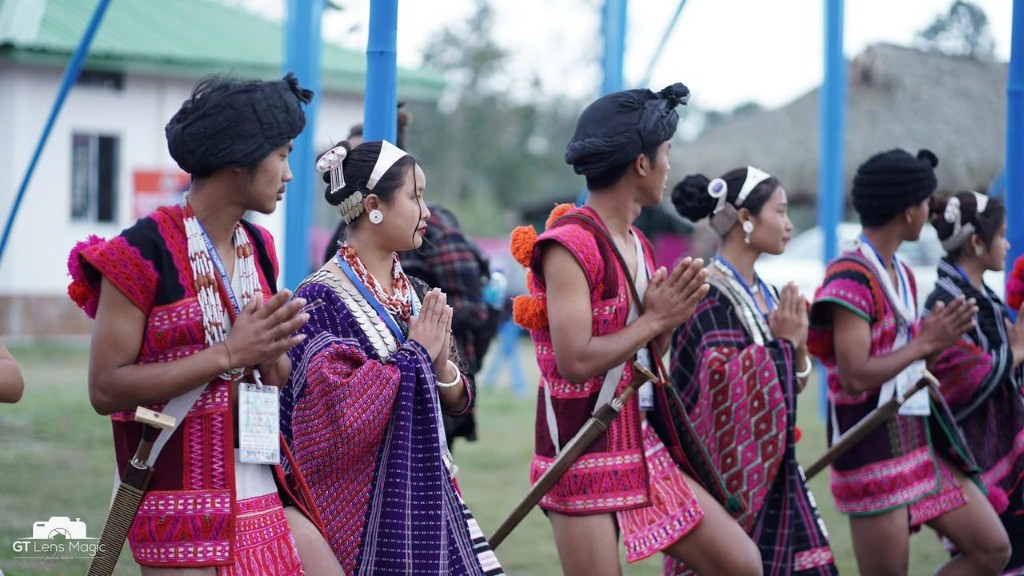
  • Community members in traditional dress with hands joined in a respectful greeting.

    Folk dance

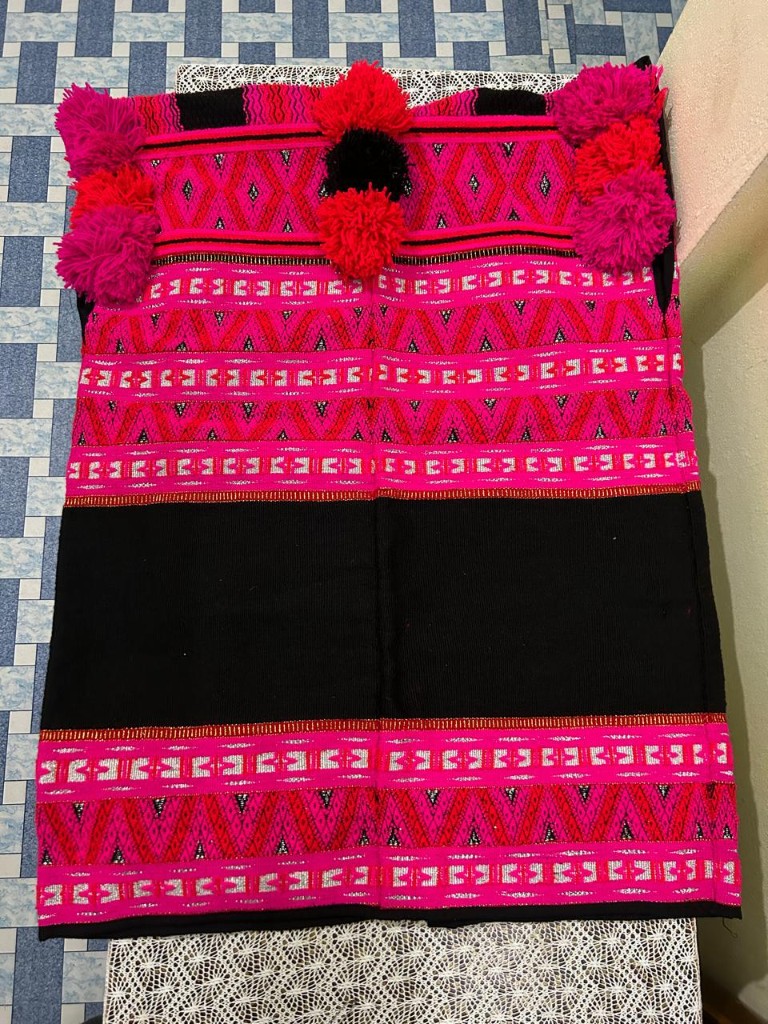
  • Colourful hand-woven Mishmi textile with geometric patterns and yarn pom-poms.

    Traditional arts

Video Credits: @ephemerallens